Français
P A L A Z Z I D I L ’ A M E R I C A N I
THE PALAZZU GIORGI
Figarella
20200 Santa Maria di Lota
P A L A Z Z I D I L ’ A M E R I C A N I
Figarella
20200 Santa Maria di Lota
The Palaces of the American Corsicans
After having “made it” in the Americas, many Corsicans chose to return to their island. The fruit of their adventures, they wished to use their fortunes to build a new home. Those still living abroad would call upon a relative or close acquaintance to recruit the architect and masons and to oversee the construction work. The elegant palazzi that were built generally followed the models of Tuscan Neoclassical architecture, drawing their roots from 16th-century architectural treatises.
At the very end of the 19th century and the beginning of the 20th century, the influence of French culture, architecture, and academic art became apparent in these palazzi. Facade decoration grew more elaborate and, in the search for a picturesque effect, floor plans sometimes departed from strict symmetry.
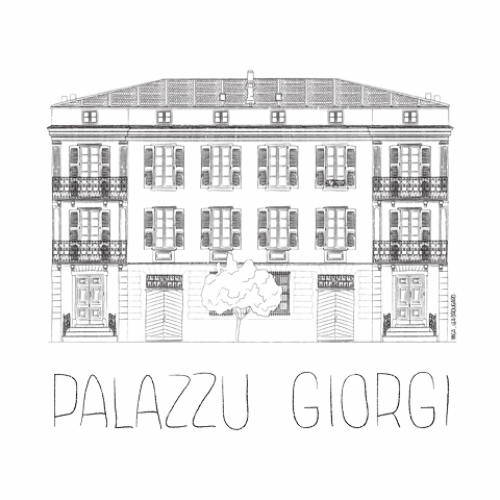
The palazzu of Jean-André and Joseph-Marie Giorgi is a fine example of this.
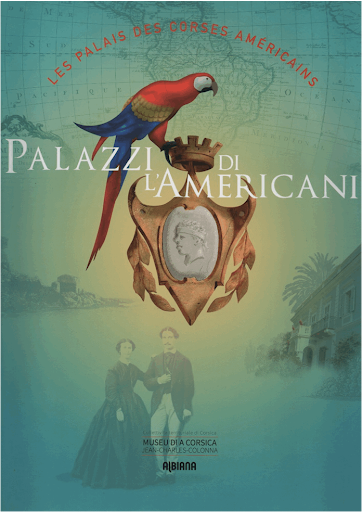
Extrait du livre :
Palazzi di l’Americani
Les Palais des Corses Américains
Cullettivita territuriale di Corsica
MUSEU DI A CORSICA
JEAN-CHARLES-COLONNA
Éditions ALBIANA
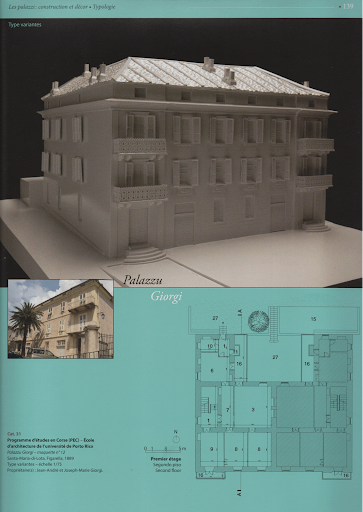
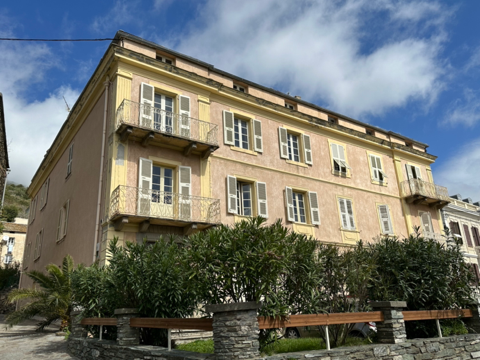
My great-great-grandfather François Antoine GIORGI (1808 – 1878) married Rose Marie Caraffa de San Martino and had 5 children. A large landowner, mayor of the commune for 23 years, brother of Jean Vincent, Prelate of Pope Leo XIII, he was a notable with means at that time.
The house was built in 1889 (yes, it is the same age as the Eiffel Tower!), by
the two brothers Jean André and Joseph Marie.
In the shape of a “U”, each of the brothers has a wing in addition to half of the facade, which makes it an “L” shaped property for each.
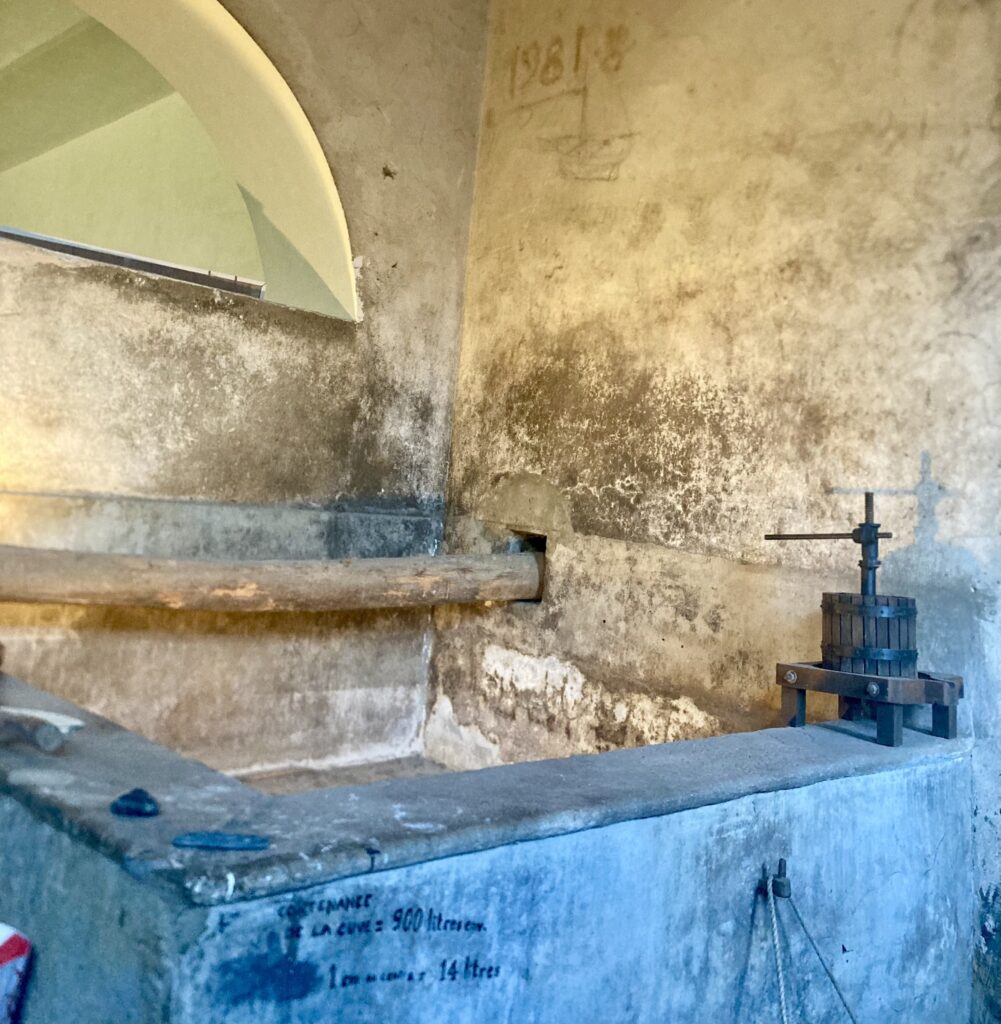
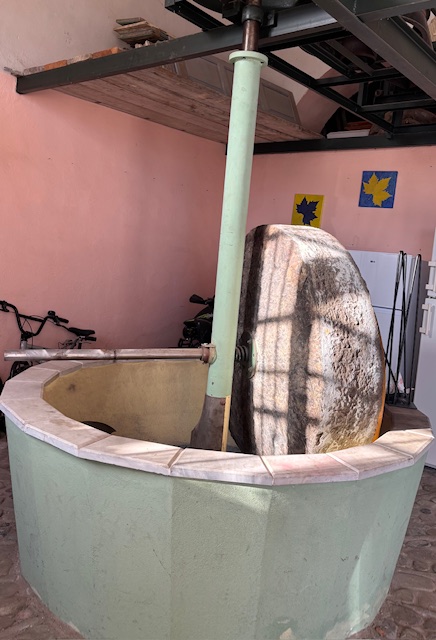
On the Luisi side, an oil press was built; the olives were poured into the stone vat and crushed with a vertical stone driven by a donkey (a mechanical installation currently replaces it). The crushed olives were then stacked in a press in beret-shaped baskets to extract the oil.